Bio-carbon

Spreadsheet for Calculating Basic "New Terra Preta" Economics

Spreadsheet for Calculating Basic "New Terra Preta" Economics
Kevin Chisholm, May 13, 2008

This Spreadsheet should be helpful in getting a perspective on charcoal additions, to make a "New Terra Preta Soil.

Knowing soil density, the density of "loose charcoal" as it will be applied to the soil, the density of crushed charcoal, the depth to which the charcoal will be tilled in, and a proposed weight addition per square meter, we can then calculate the average depth of charcoal on the surface of the ground after spreading, and the weight percentage of charcoal that will exist, after the charcoal is tilled in to the desired depth.

1: If we know the cost of Charcoal: We can then calculate the cost per square meter for the charcoal, and the increased value of yield and other benefits that would be required for the charcoal addition to have the desired "Simple Payout Period."

2: If we know the value of the increase in yield and other benefits: We can then calculate the maximum permissible cost of the charcoal and its application cost per square meter, and the maximum we can afford to pay to attain our desired "Simple Payout Period."

This approach assumes that the charcoal addition simply allows the soil system to attain a higher potential, EITHER giving a Higher yield with the same level of nutrient additions and attention, OR the SAME yield, with a lower level level of nutrient additions and attention. Only the difference in the value of yield and attention is credited toward paying for the charcoal additions.

Note also that the charcoal additions are felt to provide nutrient retention, soil microbe habitat, and moisture retention advantages to the soil. If the soil was deficient in one or more of these requirements, then charcoal additions could be expected to be beneficial. On the other hand, if the soil was NOT deficient in these properties, then one would NOT expect a financial benefit to justify the cost of the charcoal additions.

Kevin Chisholm


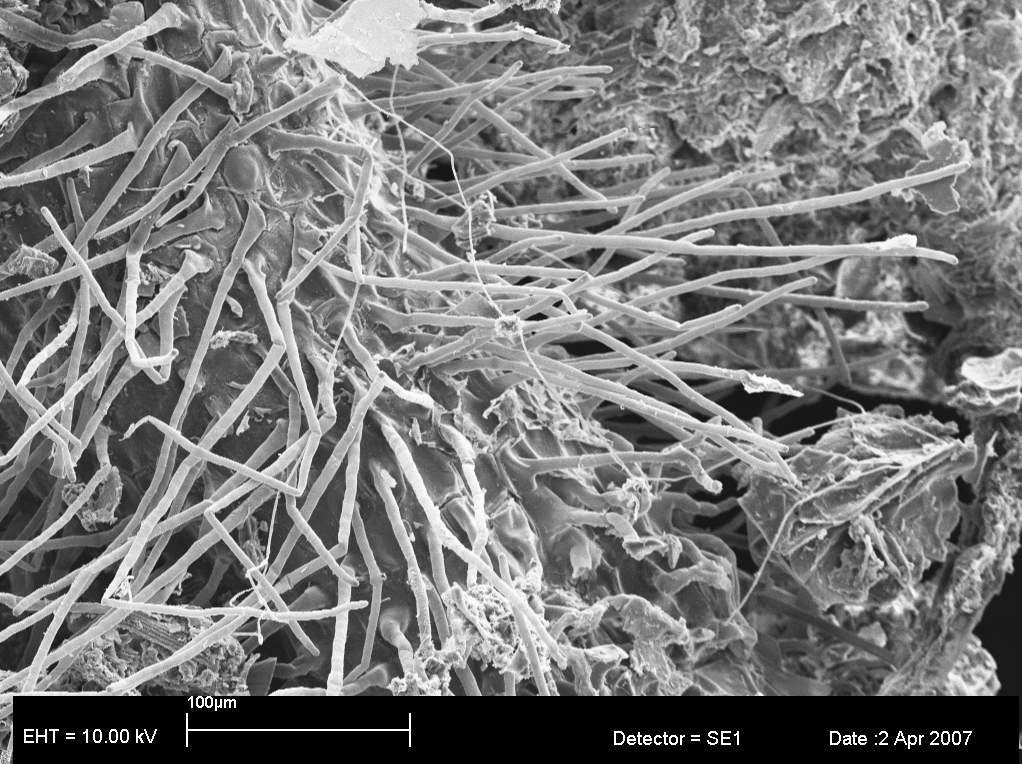
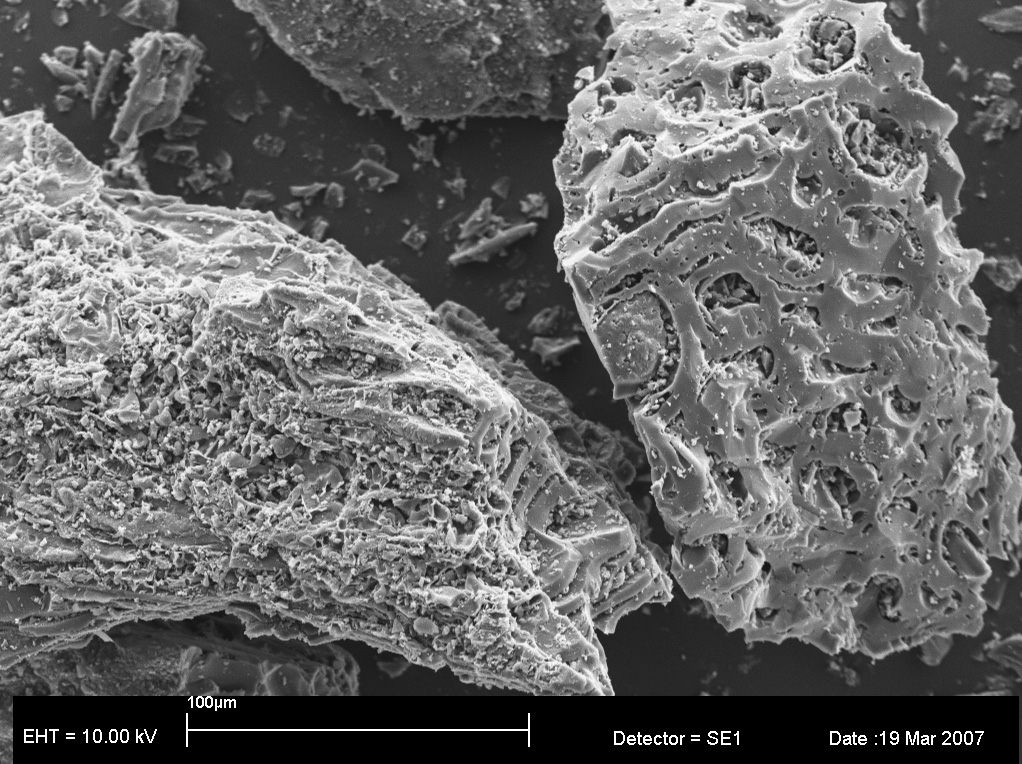
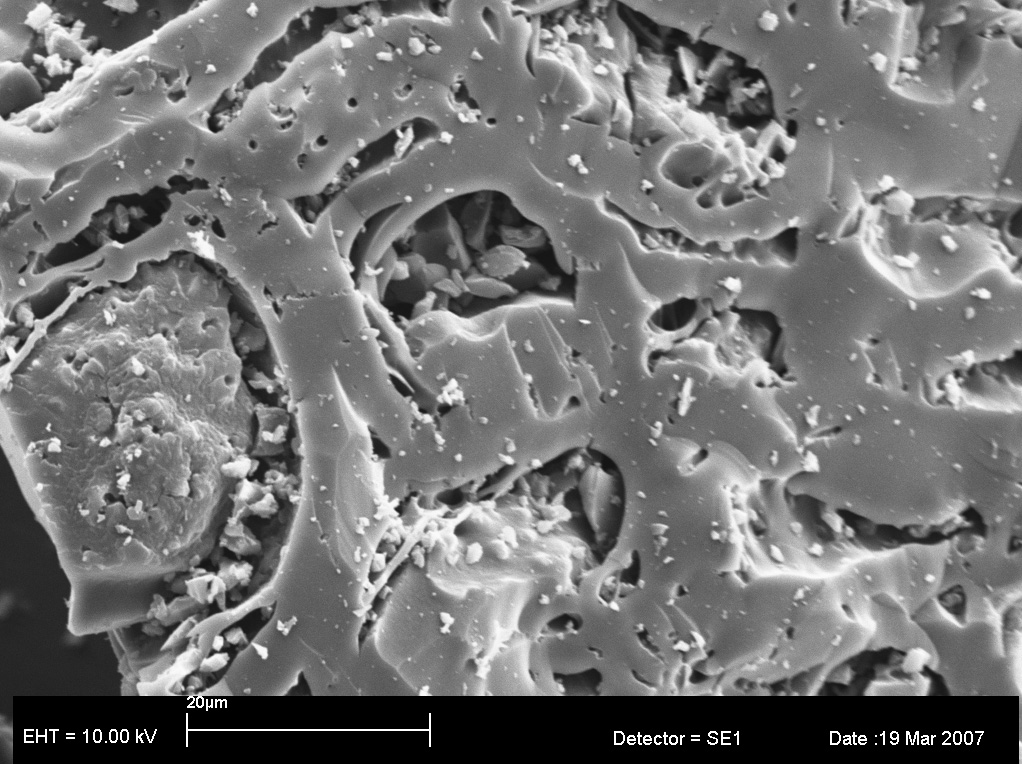
Images of Pyrolysed Biocarbons (PBCs) and Dielectric relaxation of water adsorbed on wood and charcoal

Images of Pyrolysed Biocarbons (PBCs) and Dielectric relaxation of water adsorbed on wood and charcoal
Alfred Harris to Stephen Joseph, BEST Energies, May 8, 2007
[G2:372]
Select image to enlarge


Time to Master the Carbon Cycle

Time to Master the Carbon Cycle
Erich J. Knight, January 16, 2007

Man has been controlling the carbon cycle , and there for the weather, since the invention of agriculture, all be it was as unintentional, as our current airliner contrails are in affecting global dimming. This unintentional warm stability in climate has over 10,000 years, allowed us to develop to the point that now we know what we did and that now we are over doing it.

The prehistoric and historic records gives a logical thrust for soil carbon sequestration.
I wonder what the soil biome carbon concentration was REALLY like before the cutting and burning of the world's virgin forest, my guess is that now we see a severely diminished community, and that only very recent Ag practices like no-till and reforestation have started to help rebuild it. It makes implementing Terra Preta soil technology like an act of penitence, a returning of the misplaced carbon.
Positive Charcoal=Negative Carbon? Why adding charcoal to the Earth's soils will also address climate change.

Positive Charcoal=Negative Carbon?
Why adding charcoal to the Earth's soils will also address climate change.
Ron Larson. Chair, American Solar Energy Society, Solar Today, November-December 2006

"We clearly are making progress on global warming education. Scientific American magazine’s special September-issue theme, “Energy’s Future Beyond Carbon,” focused on ways to achieve a reduced-carbon future, which
experts say is far behind schedule. But like most everything I read on the subject, the articles offered little hope that we can take any of the existing carbon dioxide (CO2), the major contributor to climate change, out of the atmosphere. However, as evidenced by an article in the Aug. 10 issue of Nature (http://www.nature.com/nature/journal/v442/n7103/full/442624a.html), one “negative carbon” possibility seems to be getting another look from scientists: the positive impacts of putting charcoal back into the ground.


Syndicate content